

If you live in Chicago and feel weaker than you used to, it is easy to wonder if low testosterone is to blame. Testosterone is a hormone that helps with muscle, energy, mood, and sexual health. Both men and women make it, although men usually have much higher levels.
You might hear about testosterone therapy at the gym, online, or from friends. A lot of that talk sounds like a shortcut to a new body. That is not what medical testosterone therapy is. Real therapy is for people with proven low testosterone, not for anyone who just wants bigger arms.
This guide walks you through what is realistic for muscle growth, how much change you may see, and when it makes sense to talk with a clinician in Chicago about testing and treatment.
What Testosterone Therapy Can And Cannot Do For Muscle Growth
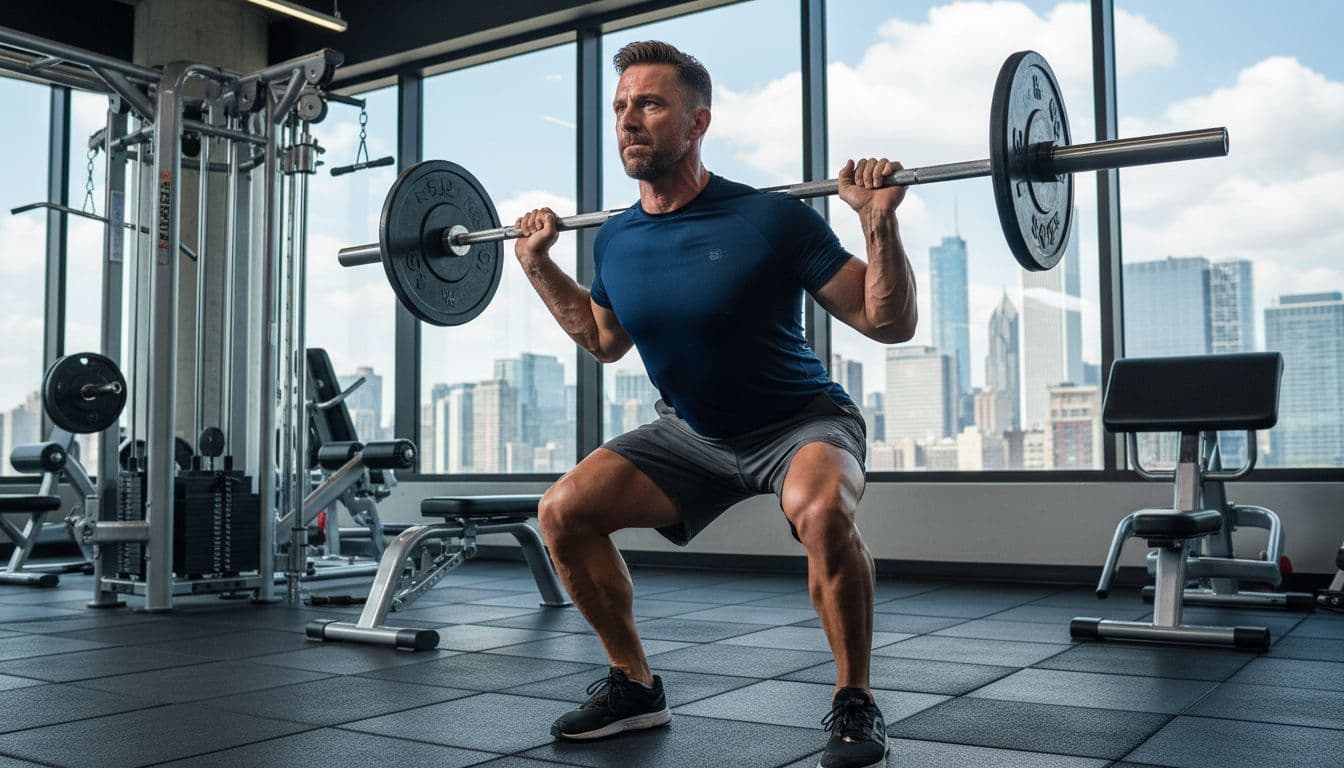
When your testosterone is truly low, your body has a harder time holding on to muscle. Research in men with low T shows that treatment can increase lean body mass and help strength. Think in terms of modest, steady gains, not a movie-style makeover.
Across studies, many men gain a few pounds of lean mass over several months. Strength gains are often around 10 percent for certain lifts or leg power tests. Results are much better when you also lift weights and eat enough protein. Therapy alone, without movement, does not do much for real-world strength.
The goal of medical treatment is to bring your levels back into a normal, healthy range. It is not meant to push you into bodybuilder or steroid territory. For women, doses are far lower, and safety rules are different. Most women use testosterone, if at all, for sexual function and energy, not big muscle gains.
How Testosterone Helps Your Muscles Work Better
Testosterone tells your body to build and repair muscle protein. You can picture it as turning up the volume on your natural muscle-building signal.
With healthier hormone levels, you:
- Hold on to muscle better as you age
- Recover faster from normal workouts
- Feel more ready to move and be active
But the hormone cannot act on empty space. You still need to send your muscles a clear message through strength training and daily movement. Think of testosterone as the helper in the background. You are still the one who has to pick up the weights, walk the stairs, or carry the groceries.
Realistic Muscle And Strength Gains You Might Expect
If you are a man with confirmed low T, you might:
- Gain a few pounds of lean mass over months
- Notice your main lifts or everyday strength rise by around 10 percent
- Feel more steady energy for workouts and daily tasks
These are averages, not promises. Your age, starting hormone level, sleep, stress, and training plan all matter.
For women, especially in perimenopause or after menopause, testosterone doses are much smaller. The focus is usually better mood, desire, and quality of life, not visible muscle. Strong numbers on muscle gain in women are still missing, so any benefit is usually described as “subtle” or “supportive,” not dramatic. If you are curious about symptom relief, you can read more in this guide to managing menopause symptoms.
Who Might Benefit From Testosterone Therapy For Muscle, And Who Should Skip It
In a Chicago clinic, the people who get tested for low testosterone usually come in with a cluster of symptoms. For men, that may include low sex drive, fatigue, loss of morning erections, weaker muscles, or more belly fat. For women in perimenopause or menopause, it may be low desire, poor sleep, brain fog, and feeling “not like myself.”
Muscle loss is part of that picture because hormones affect how your body uses protein and stores fat. But a doctor does not guess from symptoms alone. You need careful blood tests, taken in the right way, and a full medical review before anyone talks about therapy.
If you are a healthy athlete or gym-goer with normal hormone levels, testosterone is not for you. Using it to bulk up faster is both unsafe and unlikely to work the way you hope.
If you are a woman dealing with hot flashes, mood changes, or sleep issues along with strength changes, you might also want to learn about menopause management services in Chicago.
When Low Testosterone Might Be Part Of Your Muscle Loss
Low T is only one cause of weaker muscles. Aging, sitting all day, stress, and poor sleep can all play a role. Signs that might lead a provider to check your testosterone include:
- Feeling tired much of the day
- Weaker grip or trouble opening jars
- Difficulty climbing stairs or carrying bags you used to handle
- Mood changes, such as feeling more down or irritable
- Lower interest in sex
Slow muscle loss over many years is common with aging. Sudden or major loss, especially with other symptoms, deserves a closer look. Only blood tests and a full exam can confirm low testosterone. Any treatment should be supervised by a medical professional who tracks your levels and side effects over time.
Why Testosterone Therapy Is Not A Safe Shortcut For Healthy People
Using testosterone when you do not need it can cause real harm. Risks can include heart issues, sleep apnea, mood swings, and lower fertility. For women, side effects can be acne, unwanted hair growth, or voice changes.
Hormones bought online or in a gym are especially risky. You do not know the dose, purity, or what is actually in the vial or pill. If your levels are already normal, you are unlikely to see big muscle gains anyway.
Your safest and most effective tools are still:
- Regular strength training
- Enough protein at meals
- Good sleep
- Reasonable stress control
These habits work whether you take hormones or not, and they protect your long-term health.
If you and your clinician decide that hormone support is right for you, you may also hear about options like BioTE hormone replacement services, which focus on careful dosing and close follow-up.
Building Muscle Safely: How To Support Testosterone Therapy With Healthy Habits
If you start testosterone therapy, your daily choices still carry most of the weight. Hormones can help, but they cannot replace effort in the gym, in your kitchen, or in your sleep routine.
You can think of three main pillars:
- Resistance training
- Food choices
- Recovery through sleep and stress care
In Chicago, weather can make activity tough. Winter may push you indoors and summer heat can wear you out. That makes planning even more important. Indoor options like home bands, simple weights, or a neighborhood gym help you stay active all year.
Without movement and enough food, even good hormone levels will not build much new muscle.
Strength Training That Works With Your Hormones, Not Against Them
You do not need fancy equipment to train in a smart way. Aim for 2 or 3 days per week of full-body work that hits your major muscle groups.
Simple options include:
- Squats to a chair
- Wall or counter pushups
- Rows with bands or light dumbbells
- Step-ups on a low stair
Start with a weight or level that feels “easy to medium,” and add a little over time. Your muscles should feel worked but not destroyed. Listen to your joints. If you have pain, talk with your clinician about a physical therapist or trainer who can guide you safely.
Food, Sleep, And Stress: The Unsung Partners In Muscle Growth
Your body needs building blocks to use hormones well. Aim to include a source of protein at each meal, such as eggs, Greek yogurt, beans, chicken, fish, or tofu. Add fruits, vegetables, and whole grains for steady energy, and drink water through the day.
Poor sleep and high stress can slow muscle gains, even if you are on therapy. Help your body by:
- Keeping a regular bedtime and wake time
- Limiting screens for 30 minutes before bed
- Taking short walking or breathing breaks during busy Chicago workdays
These small steps support both your hormone balance and your muscles.
Conclusion: Finding A Safe, Realistic Path To Strength
Testosterone therapy can offer modest but real help with muscle and strength if you truly have low testosterone. It is not a miracle cure, and it is not a safe shortcut for healthy people with normal levels.
You can slow age-related muscle loss with smart habits at any stage of life. Strength training, good food, quality sleep, and stress control matter just as much as hormones, and often more.
If you are in Chicago and worried about fatigue, muscle loss, or possible hormone changes, reach out to a qualified clinician for testing and a full plan that fits your health history. With the right support, you can focus on feeling strong, steady, and confident in your daily life, not chasing quick fixes.