
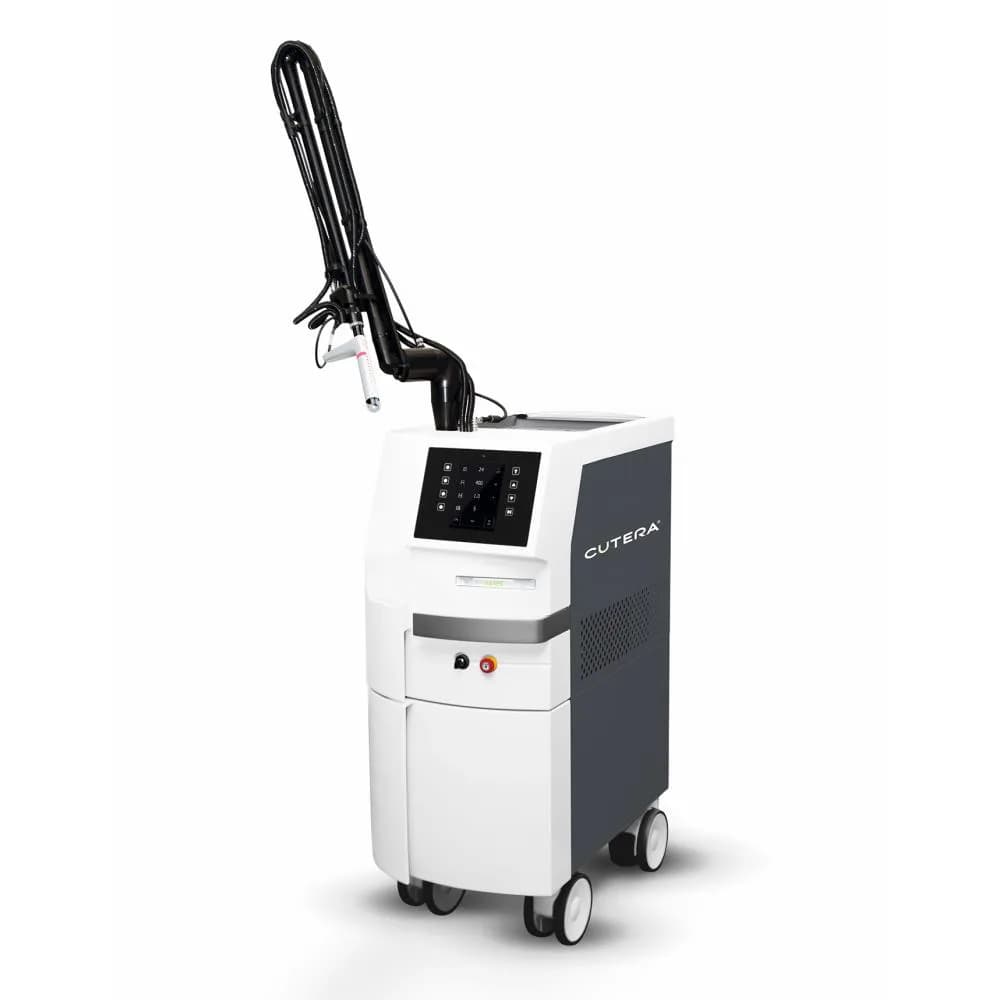
This page has been substantially rewritten. An earlier version described Juliet laser treatment as "safe and effective," "non-invasive and painless," and as an established treatment for urinary incontinence, vaginal atrophy, and sexual dysfunction.
Those claims conflict with the FDA's position, and we are not going to leave them up.
What the FDA said
In July 2018 the FDA issued a Safety Communication warning against the use of energy-based devices — including fractional CO2 and Er:YAG lasers, and radiofrequency devices — for "vaginal rejuvenation," vaginal atrophy, urinary incontinence, and sexual function.
The substance of the warning:
- These uses are not FDA-cleared or approved. The devices were cleared for other purposes, and marketing them for these indications goes beyond that clearance.
- The safety and effectiveness for these uses has not been established.
- The FDA had received reports of serious adverse events: vaginal burns, scarring, chronic pain, and painful intercourse (dyspareunia).
The agency wrote to manufacturers requiring them to address the marketing claims. That warning has not been withdrawn.
What the evidence has shown since
The most informative studies have been the ones with a sham-controlled arm — where some participants receive a real treatment and others an identical-feeling inactive one, and neither they nor the assessor knows which.
Sham-controlled randomised trials of fractional CO2 laser for genitourinary syndrome of menopause have generally not shown a benefit over sham. Symptoms improved in both groups, which is a strong signal that much of what open-label studies attributed to the laser is placebo response and regression to the mean.
This does not mean nobody feels better. It means we cannot honestly tell you the device is what made the difference — and you would be paying, out of pocket, for that uncertainty.
Professional bodies have been consistent. ACOG has stated that these procedures should be restricted to research settings, and that patients should be counselled about the lack of evidence and the reports of harm.
Corrections to what this page previously said
- "Non-invasive and painless." Not accurate. These are energy-based procedures that deposit thermal energy in tissue. Discomfort during treatment is common, and the earlier version of this page contradicted itself by listing swelling, redness, and pain among the side effects a few paragraphs later.
- "Safe and effective for women of all ages." An absolute claim that no energy-based vaginal device can support.
- "Reverses the effects of menopause without hormones." This is precisely the marketing the FDA acted against.
- Treats urinary incontinence, vaginal atrophy, and sexual dysfunction. These are the unproven indications named in the safety communication.
What we recommend instead
The symptoms these devices are marketed for are real, common, and genuinely treatable — with options that have far better evidence behind them.
For vaginal dryness, burning, and painful sex
- Low-dose vaginal estrogen — cream, tablet, or ring. Highly effective, minimal systemic absorption, and appropriate for most people, including many breast cancer survivors after discussion with their oncologist. This is the single most under-prescribed treatment in menopause care.
- Vaginal DHEA (prasterone) — an FDA-approved alternative.
- Ospemifene — an oral option for painful sex.
- Non-hormonal moisturisers and lubricants — used regularly rather than only before sex, these help a great deal and are available without prescription.
For urinary incontinence
- Pelvic floor physiotherapy — first-line, with strong evidence, and consistently underused.
- Pessaries for stress incontinence.
- Medication for urge incontinence.
- Surgical options, including the midurethral sling, with decades of outcome data.
Which applies depends on the type of incontinence, which is why evaluation comes before treatment.
For sexual function
Causes are usually multiple — hormonal, physical, psychological, relational. Treatment follows the cause, and often includes vaginal estrogen, pelvic floor physiotherapy, and psychosexual therapy.
If you are considering an energy-based treatment anyway
That is your decision to make. Before you spend money on one, ask:
- Is this device FDA-cleared for this specific indication? (For vaginal rejuvenation, atrophy, and incontinence, the answer is no.)
- What sham-controlled evidence supports it for my symptom?
- What happens if it does not work — is there a refund?
- Have I tried vaginal estrogen or pelvic floor physiotherapy first?
- Who treats me if I develop burns, scarring, or ongoing pain?
Be wary of clinics presenting these treatments as established. The FDA's warning is public and specific.
Talk to us
If you have vaginal dryness, painful sex, or urinary leaking, come and be evaluated. There are effective treatments, most are inexpensive, and most are covered by insurance.
Medical disclaimer
This article is general health information, not medical advice for any individual, and it is not a recommendation for or against any specific device or procedure. Discuss any treatment with a qualified clinician who has evaluated you. If you have pain, burning, or scarring following an energy-based vaginal procedure, seek care — and adverse events can be reported to the FDA through MedWatch.