

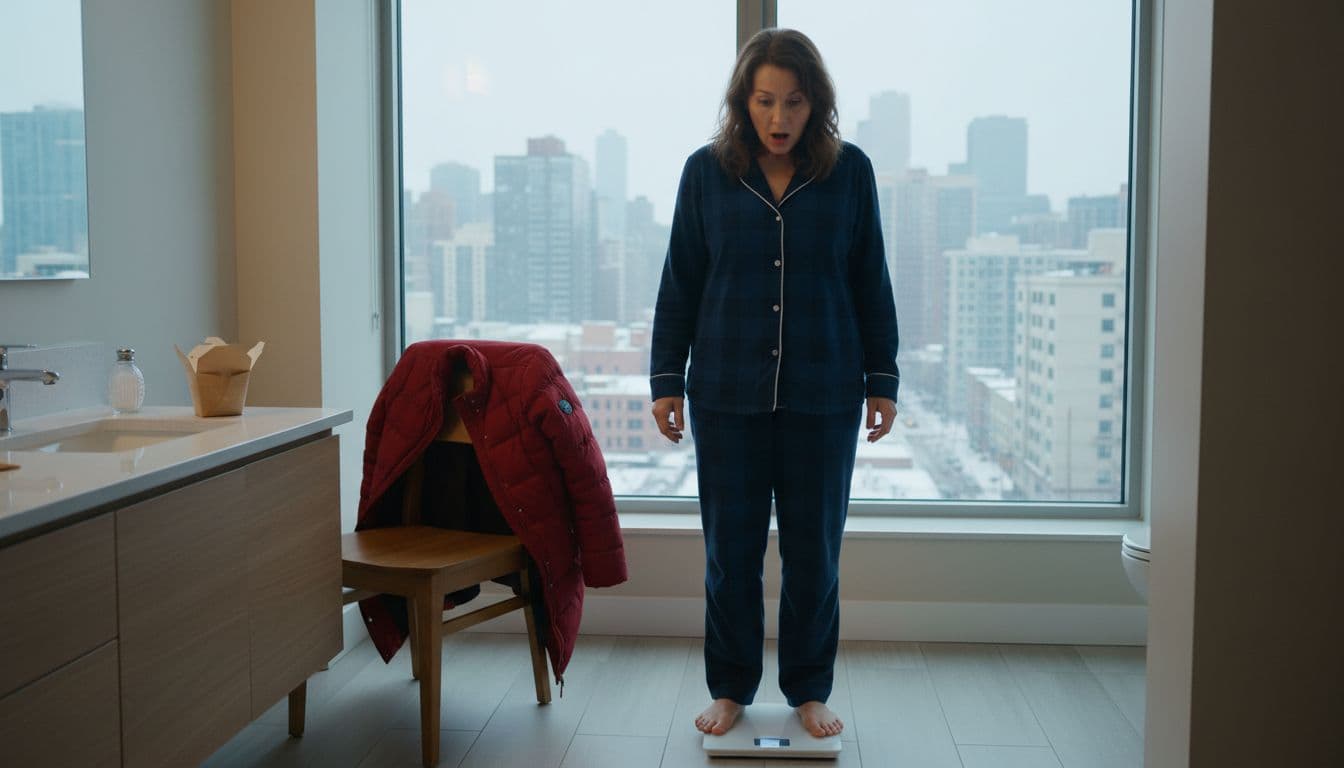
You start HRT, or you adjust your dose, and within days you feel… bigger. Your jeans bite by dinner, your face looks puffy in the mirror, and the scale jumps like it’s playing games with you. If you’re working hard on Weight Loss, that kind of change can feel unfair and scary.
In Chicago winter, it’s even easier to blame yourself. You’re commuting, sitting more, eating saltier comfort food, and drinking less water because it’s cold out. Then HRT enters the picture, and your body seems to hold on to every drop.
Here’s the good news: fast jumps on the scale are often fluid, not fat. You can learn to spot water retention patterns at home, calm the puffiness, and know when it’s time to call your OB-GYN.
Why HRT can make you hold water (and why it often happens early)
When you change estrogen and progesterone levels, you can change how your kidneys handle salt and water. Estrogen affects hormones that tell your body whether to hang onto sodium (and water follows sodium). Progesterone tends to have a mild “water-shedding” effect for many women, so shifts in progesterone support can also change how puffy you feel.
This is why water retention often shows up early, right after you start HRT or tweak the dose. Your body is adapting.
A practical point that comes up a lot in clinic conversations: oral estrogen can cause more noticeable fluid shifts for some women than transdermal options (like patches or gels). Not always, but often enough that it’s worth discussing if you feel swollen and stuck.
Most importantly, early bloating is usually temporary. Many women notice it improves within about a month on a stable dose. Don’t stop or change HRT on your own, even if the scale is stressing you out. If something feels off, call and ask about options.
If you want a broader view of how hormones and midlife changes can affect the scale, you can read https://wohcc.com/hrt-weight-changes/.
Common HRT water-retention signs you can feel in your day
Water retention has a “tell.” It tends to feel like pressure or puffiness, not a steady change in shape.
You might notice:
- Your rings feel tight, or you can’t get them off at night
- Sock marks that look deeper than usual
- Under-eye puffiness or a fuller face
- Shoes that suddenly feel snug
- Fuller, tender breasts
- A belly that feels stretched, gassy, or tight (even if you didn’t eat much)
Many women feel worse by evening and better in the morning. That daily swing is a classic hint that fluid is involved.
Triggers that stack on top of HRT and make swelling worse
HRT may be the spark, but everyday life can add gasoline. None of this means you’re doing something “wrong.” It just explains why you can feel fine one week and swollen the next.
Common amplifiers include:
Salt-heavy meals: Takeout, deli meat, soups, chips, sauces, and “healthy” restaurant bowls can all be sneaky.
Alcohol: It can irritate your gut, disrupt sleep, and pull fluid in odd directions.
Dehydration: When you don’t drink enough, your body often holds water tighter.
Long sitting: Desk jobs, driving on the Kennedy, train commutes, flights. Fluid pools in legs and ankles.
Poor sleep and stress: More cravings, more cortisol, more bloating.
Constipation: Your belly can stick out even when fat hasn’t changed.
If you start HRT in January, you’re also dealing with winter routines: less walking, heavier food, and indoor heat that dries you out. Your body is responding to the whole month, not one thing.
Bloating vs real weight gain: simple ways to tell the difference at home
The goal isn’t to “win” against the scale. The goal is to stop reacting to one reading and start looking for patterns. That’s how you protect your mood and keep your Weight Loss plan steady.
The timeline test: fast jumps usually mean fluid
Water can appear fast. Fat doesn’t.
Water retention can show up in days, often as a quick 1 to 5 pounds, then drift down again when hormones stabilize, sodium drops, sleep improves, or your cycle shifts (if you still cycle).
True fat gain is slower. It builds over weeks to months and tends to stick around unless your habits change.
Here’s a simple example of what water weight can look like on the scale:
DayMorning scaleMon168.0Tue169.4Wed171.2Thu170.6Fri169.0Sat168.4Sun168.2
That midweek spike feels alarming, but the “whoosh” back down is the giveaway. That’s fluid moving around.
The location test: where you swell matters
Fluid tends to show up where gravity and circulation make it obvious.
Swelling that suggests water retention often includes:
- Hands and fingers (rings tight)
- Face and eyelids (puffy mornings or after salty meals)
- Ankles, feet, and lower legs (sock lines, tight boots)
Real fat gain is more likely to feel like a gradual change in:
- Lower belly and waist
- Hips and thighs
- Upper arms
Clothing clues help. With fluid, your waistband can feel fine in the morning and tight at night. With fat gain, your clothes feel tighter in a more steady way, day after day.
The morning weigh-in method to stop scale panic
If you want the scale to be useful, you need the same conditions each time. Otherwise, you’re comparing apples to snow boots.
Try this for 2 to 4 weeks:
- Weigh in in the morning, after you pee
- Before food or drinks
- Same clothing (or none)
- Same scale, same spot on the floor
- Record the number, then move on with your day
What patterns point to fluid swings?
- Big up-and-down changes across a few days
- Higher numbers after restaurant meals, alcohol, or poor sleep
- A drop after a few consistent, lower-sodium days
What patterns point to real gain?
- A steady upward trend across multiple weeks, with few dips
If tracking helps your brain relax, add a waist measurement once a week (same day, same time). Keep it simple. The point is clarity, not perfection.
A quick swelling check, and what “pitting” can mean
If your ankles or lower legs look swollen, press your thumb gently into your shin or ankle for about 5 seconds, then release.
- If the skin springs back quickly, that’s common mild swelling.
- If a dent stays for a few seconds (called pitting), it’s a reason to call your clinician, especially if it’s new or getting worse.
This doesn’t mean panic. It means you deserve a medical check-in so you don’t miss something important.
What you can do now to feel less puffy without derailing your Weight Loss
Think of water retention like a traffic jam, not a broken engine. You don’t need extreme fixes. You need a few steady moves that help your body clear fluid and calm your gut.
Here’s a doable 7-day reset that supports both comfort and Weight Loss without turning your week into a punishment.
Food and drink tweaks that reduce water retention fast
Start with sodium, because it’s the fastest “dial” you can turn.
For the next week, aim to:
- Choose home meals more often than restaurant meals
- Watch common sodium traps: fast food, deli meats, canned soups, frozen meals, chips, and salty sauces
- Taste food before salting it, then use lemon, vinegar, garlic, and herbs instead
Don’t go zero-salt. Just lower the big sources.
Next, bring in potassium-rich foods. Potassium helps balance sodium and supports normal fluid levels. Add one or two a day:
- Leafy greens
- Beans and lentils
- Tomatoes
- Avocado
- Oranges and bananas
- Potatoes with the skin
Hydration matters more than most people expect. When you’re dehydrated, your body often holds on tighter.
A simple target: drink enough that your urine is pale yellow most of the day. If you’re drinking alcohol or lots of coffee, you may need more water. Also notice if caffeine makes you feel more jittery or bloated, everyone’s different.
Movement and positioning that help your body release fluid
Fluid hates stillness. Your circulation is your drainage system.
Pick what fits your Chicago schedule:
- 10 to 30 minutes of walking most days (even split into two short walks)
- A 2-minute movement break each hour if you sit a lot (stand, calf raises, a quick hallway loop)
- Leg elevation for 15 to 20 minutes in the evening, especially after long commutes
If your legs swell often, ask your clinician if compression socks are a good idea for long workdays or travel. For many women they help, but it’s still worth checking based on your health history.
Constipation, sleep, and stress: the hidden drivers of belly bloat
Sometimes your belly looks bigger because your gut is backed up, not because you gained fat. Constipation can push your abdomen out like a balloon, even if your eating is steady.
To get things moving:
- Add fiber slowly (oats, berries, beans, veggies)
- Drink more water as fiber increases
- Take a walk after meals, even 10 minutes helps
Sleep and stress also matter for bloating and Weight Loss. Poor sleep raises hunger hormones and cravings, and stress can increase cortisol, which can make you feel puffy and stuck.
A simple bedtime routine for the next week:
- Same sleep time most nights
- A 10-minute wind-down (shower, stretching, reading)
- Skip late salty snacks
- Keep your phone out of bed if you can
These aren’t “wellness” extras. They change how your body holds fluid and how steady your appetite feels.
If you’re sorting out whether you’re in perimenopause or menopause while all this is happening, https://wohcc.com/perimenopause-vs-menopause-guide/ can help you put your symptoms in context.
When swelling is not normal: red flags and HRT check-ins to ask for
Most HRT-related bloating is annoying, not dangerous. Still, swelling deserves respect. Some symptoms need urgent care, and some need a regular appointment to review your plan.
For many women, a focused menopause visit is where things get easier because you stop guessing and start adjusting with support. https://wohcc.com/menopause-management/ is a helpful starting point if you want structured counseling and follow-up.
Call right away if you notice these symptoms
Seek urgent care or call right away if you have:
- One-sided leg swelling that’s red, hot, or painful
- Sudden shortness of breath
- Chest pain
- Swelling of the lips, tongue, or face (especially with hives or trouble breathing)
- A very rapid gain of about 4 to 5 pounds in a few days with breathing trouble
- Swelling that’s severe or not improving at all
These can signal problems that shouldn’t wait.
What to ask your HRT specialist if bloating lasts more than a month
If you’re still puffy after about a month on a stable dose, that’s a fair time to ask for fine-tuning. Adjustments are common, and you’re not “failing” HRT.
Bring questions like:
- Could my estrogen route or dose be causing fluid retention (pill vs patch or gel)?
- Do we need to adjust progesterone support or the form of progesterone?
- Should we check my blood pressure?
- Do I need labs to rule out thyroid, kidney, or liver issues?
- Are any of my other meds adding to swelling?
If you’re considering pellet-based therapy and want to understand how it’s monitored, you can review https://wohcc.com/hrt-biote/ before your visit.
Conclusion
When you start or adjust HRT, fast scale changes are often water retention, not fat. Use the timeline, location, and morning weigh-in method for 2 to 4 weeks, then judge trends instead of single numbers. A lower-sodium week, steady hydration, daily walking, and better sleep can reduce puffiness without throwing off your Weight Loss goals. If swelling is severe, one-sided, comes with breathing or chest symptoms, or lasts beyond a month, reach out for medical guidance so your HRT plan supports how you want to feel.
