


You might be riding the Red Line home after work, still in your winter coat in April, wondering why you’re sweating, not from the heater, but from another hot flash. If you’re using hormone replacement therapy (HRT) for menopause or hormone changes in Chicago, you’re not alone, and you’re not “doing it wrong.”
HRT can ease many symptoms, but it works best when you also care for your lifestyle, what you eat, how you move, and how you rest. Think of HRT as one leg of a table. The other legs are movement, food, sleep, and stress care. You need all of them to feel steady.
This article is general education, not personal medical advice. Your body and risks are unique. Always talk with your OB-GYN, such as Dr. Adeeb Alshahrour and the team at Women’s Health Center of Chicago, for one-on-one guidance and a plan that fits you.
Understanding HRT and Why Lifestyle Still Matters
In simple terms, hormone replacement therapy replaces or balances hormones that your body no longer makes at the same level during menopause or other hormone shifts. For many Chicago women, HRT is a relief after months or years of hot flashes, mood swings, and poor sleep.
At the same time, your daily life in the city can push against that relief. Long commutes, sudden weather changes, late work hours, and stress can still affect your symptoms, your blood pressure, your weight, and your long-term heart and bone health, even while you are on HRT.
If you want a deeper medical overview of options like pellets, patches, or pills, you can review the clinic’s BioTE hormone replacement therapy overview to see how personalized HRT is used in Chicago.
What HRT Does and What It Does Not Do
HRT can:
- Reduce hot flashes and night sweats
- Improve sleep and mood swings
- Ease vaginal dryness and discomfort with sex
- Help protect your bones from thinning
HRT does not:
- Replace a healthy lifestyle
- Guarantee weight loss
- Remove all health risks
The right dose and type matter. Some women do best with pills, others with patches or pellets. Always ask your local OB-GYN how long to stay on HRT, what type fits your health history, and how often you need checkups and screenings.
Why Your Daily Habits Still Matter While You Are on HRT
Your body still responds to how you eat, move, sleep, and handle stress. Even on HRT, these habits affect:
- Weight and belly fat
- Blood pressure and blood sugar
- Bone strength
- Cholesterol and heart health
- Mood and brain fog
Staying active, eating well, and caring for sleep and stress can lower the risks tied to hormones, such as blood clots, heart disease, and diabetes. HRT is one part of a full menopause care plan. Your doctor can help you combine HRT with lifestyle changes into a single, realistic strategy, like the ones outlined in their personalized menopause management plans.
Best Lifestyle Habits to Support HRT in Everyday Chicago Life
You don’t need a “perfect” routine. You just need consistent, simple habits that fit a Chicago schedule, traffic, and weather.
Move Your Body Most Days Without a Complicated Gym Plan

Experts suggest about 150 minutes a week of moderate activity. That can look like:
- Brisk walks around your neighborhood
- Dancing in your living room
- Biking on the lakefront when the weather cooperates
Add strength training 2 to 3 days a week. Bodyweight moves at home like squats, wall pushups, or light hand weights help protect your bones and muscles.
Movement can:
- Reduce the intensity of hot flashes for some women
- Improve sleep quality
- Boost mood and lower anxiety
- Help control weight gain linked to menopause
Chicago-friendly ideas:
- Walk the Loop or your local block during lunch
- Get off the bus or train one stop early and walk the rest
- Climb stairs in your building instead of taking the elevator
- Use simple home workouts when it is icy or below zero outside
Sleep Habits That Help Hormones, Mood, and Hot Flashes

Most adults need 7 to 9 hours of sleep. Good sleep helps:
- Balance hormones related to hunger and stress
- Manage weight
- Support mood, focus, and heart health
Simple steps that help:
- Keep a regular sleep and wake time, even on weekends
- Make your bedroom cool, dark, and quiet
- Use a fan, cotton sheets, and light layers for night sweats
- Limit screens for 30 to 60 minutes before bed
- Avoid heavy meals and alcohol late at night
If hot flashes or insomnia still wake you up often, even with HRT and better sleep habits, check in with your OB-GYN. You might need an HRT adjustment or another treatment for sleep.
Stress Relief and Mental Health While on HRT
Stress can make hot flashes worse, disturb sleep, and trigger more intense mood swings. It also puts extra strain on your heart and blood vessels.
Simple tools you can use daily:
- 5 to 10 minutes of deep breathing in the morning or before bed
- Gentle yoga or stretching at home
- Short walks outside, even around the block
- Quiet time off social media and away from the news
Stay connected with people who make you feel supported. Call a friend, join a walking group, or look for a local support group for menopause.
If your mood feels heavy, you cry often, or you lose interest in things you used to love, talk with a women’s health provider in Chicago. You may be dealing with anxiety or depression that needs care, along with a review of your HRT plan.
Diet and Natural Support to Feel Your Best on HRT
Food choices and natural supports can help you feel more steady on HRT, but “natural” doesn’t always mean “safe” or “good with your medicines.” Always review vitamins, herbal products, and teas with your doctor.
Simple Eating Plan to Support Hormones, Bones, and Heart Health
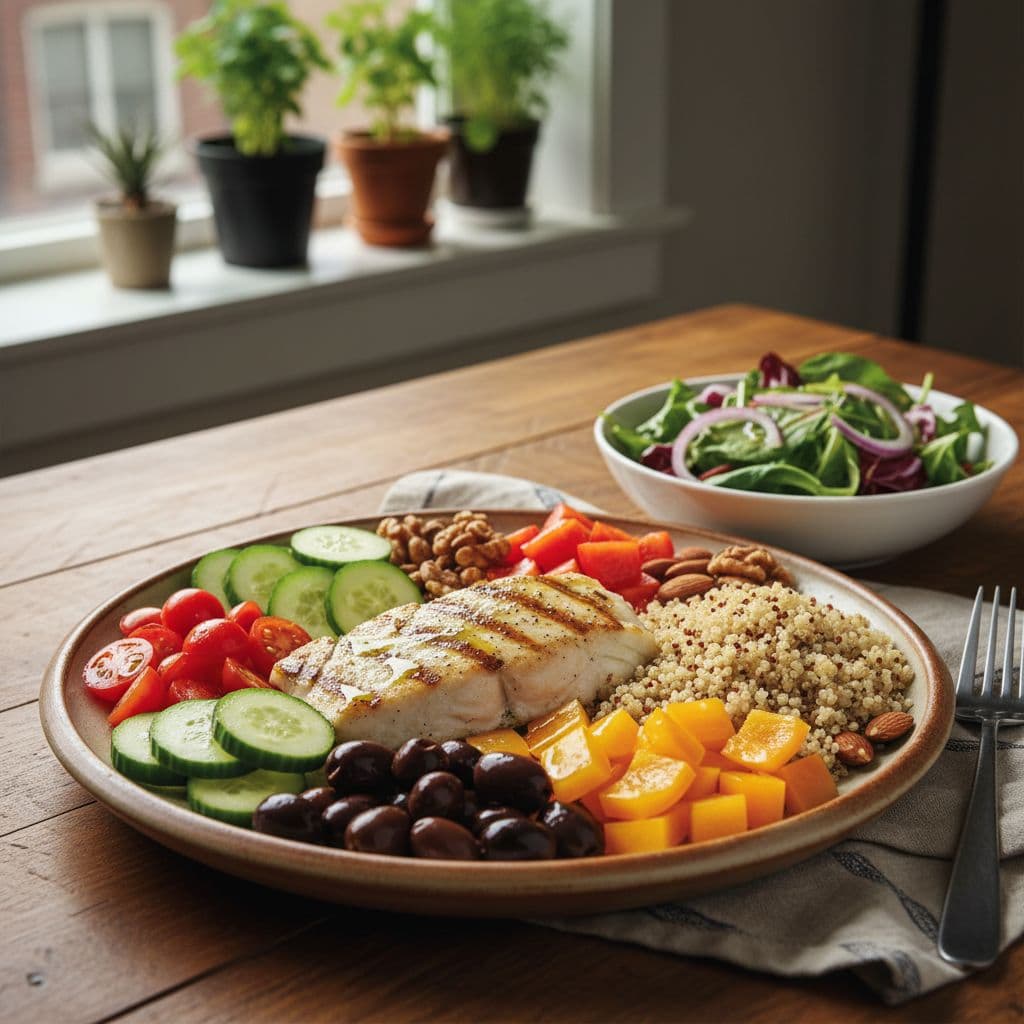
A Mediterranean-style eating pattern fits many women on HRT. In plain terms, that means:
- More vegetables and fruits
- Whole grains like oatmeal, brown rice, and quinoa
- Beans and lentils
- Nuts and seeds
- Fish and olive oil
- Less processed foods, sugar, and fried foods
Key points:
- Protein helps protect muscle and strength. Include eggs, fish, chicken, beans, or tofu with meals.
- Calcium and vitamin D support bones. Add yogurt, leafy greens, and fortified milk or plant milks, plus safe sun time or a supplement if your doctor suggests it.
Chicago-friendly swaps:
- Choose grilled fish or chicken instead of fried
- Add a side salad when you eat out
- Keep a bag of nuts in your work bag for an easy snack
Keeping a stable weight can help HRT work better, lower joint pain, and reduce risks like diabetes and high blood pressure. Many women find that combining this eating pattern with regular walking makes a real difference.
Foods and Drinks That Can Trigger Hot Flashes or Disrupt Sleep
Common triggers include:
- Alcohol
- Caffeine
- Very spicy foods
- Large late-night meals
- High-sugar treats
Not everyone has the same triggers. Keeping a short symptom diary can help you spot patterns. For example, you might notice worse hot flashes after wine or when you eat spicy takeout late at night.
Small changes to try:
- Limit coffee or energy drinks after noon
- Drink more water during the day
- Choose baked, grilled, or roasted foods over spicy fried meals, especially if night sweats bother you
Natural Supplements and Remedies: What to Ask Your Doctor First
Many women wonder about:
- Black cohosh
- Red clover
- Soy isoflavones
Research is mixed. Safety can depend on your cancer risk, blood clot risk, liver health, and other conditions. Any supplement can interact with HRT, blood thinners, or other medicines.
Bring all your vitamins, herbs, and powders to your OB-GYN visit. Ask whether each one is safe with your HRT and your health history. For a balanced view of diet-based, lower-risk strategies, you may find it helpful to read about a natural approach to menopause and then discuss those ideas with your doctor.
Gentler options that are often safe for many women include:
- Water-based vaginal moisturizers used a few times a week
- Water- or silicone-based lubricants during sex
Still, if you notice pain, bleeding, or signs of infection, schedule an exam. If you are not sure whether your symptoms mean perimenopause or full menopause, the clinic’s guide on perimenopause vs menopause differences explained can help you understand where you might be in the transition.
Bringing It All Together
HRT can ease hot flashes, mood swings, sleep problems, and vaginal dryness, and it can support bone health. How you move, what you eat, how you sleep, and how you handle stress all shape how well you feel on that treatment.
You do not have to change everything at once. Pick one or two small steps, like a 15-minute walk after dinner or cutting back on late-night wine, and build from there.
If you are unsure whether your symptoms, side effects, or natural remedies are safe, talk with a trusted OB-GYN in Chicago. Regular follow-up visits, honest conversations, and updates to your plan keep HRT safer and more effective over time. Your menopause care is an ongoing partnership, and you deserve to feel heard, informed, and supported.